


Are you looking for a phone system that can improve your business?
At PDVN, we understand how important reliable, quality communications are for your business. Your published numbers are important! We know telecom and have been providing solutions for over 50 years. We deliver top notch service and responsiveness at competitive pricing to help you stay ahead of the curve!
Hosted VoIP
Our cloud based VOIP services provide crystal clear voice with plug and play features, and are designed specifically for your business. No cookie cutter installations! We work with our clients to deliver exactly what they need, without any hassles.
Service
We provide 24/7 local support services - and when you call you will speak with a real person based out of our Louisiana HQ.
Our Customers
Our clients range from small startups to large offices with hundreds of users to multi-site operations across states. We service: healthcare, legal, government, non-profits, manufacturing, technology, financial services, retail services and more! We provide service throughout Louisiana and also in Texas, Mississippi, Alabama, Florida and beyond.
IP Telephones
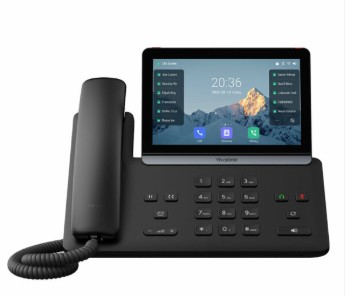
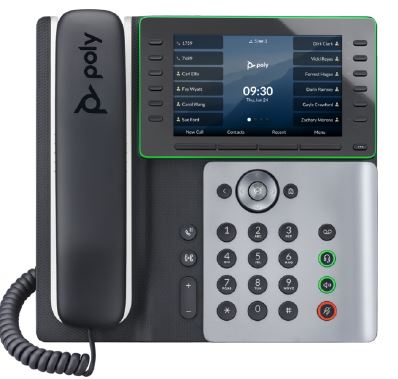
We offer Yealink, Poly, Cisco, Grandstream and other devices. We install on existing wiring or WIFI. The phones may be deskphones, conference phones, cordless phones, desktop or mobile apps. We will connect your paging or find a paging application that will work the best. We will work with you to design a system that is the best (and most cost efficient) for your business!
Hosted VoIP FAQs - click HERE

Mobile and Desktop Apps
Use your mobile phone or PC to make/receive calls
Our mobile and desktop applications allow employees to work from a PC or mobile phone from on or off-site, creating a seamless communications environment. Unlike simply call forwarding a number to a mobile phone, in which case the company loses control of that call record and voice mail, apps can be set up to notify the user of calls and use the company voice mail with voice mail to email notifications if the employee is unavailable. Call recording is also available on both desktop and mobile applications. A desktop app can take the place of a desk phone in some situations.

Benefits to hosted VOIP:
Lower monthly costs
Easy growth model
Current model phones work with today's technology and provide security over your network
Dependable call quality
Easy to connect all team members - whether on site or remote
Unified communications across locations
CONTACT US to find out more about how Voice over IP can benefit your business!